Electrifying bus fleets is emerging as one of the key pillars in making public transport more sustainable. It’s a concrete solution to improve urban air quality, reduce CO₂ emissions, and offer a quieter, more comfortable service for both citizens and passengers.
However, the path forward is not without its obstacles.
While the environmental and economic benefits of Battery Electric Buses (BEBs) are now well established, the transition presents significant challenges—mainly related to high upfront costs and the need for widespread, efficient charging infrastructure. Nonetheless, with strategic planning and the adoption of innovative technologies, these hurdles can be overcome, unlocking the full potential of the electric transition.
The main strength of eBuses is clear: zero local emissions. Unlike traditional diesel vehicles, electric buses do not emit nitrogen oxides (NOx) or particulate matter—two major contributors to air pollution and respiratory diseases. An added benefit: they are extremely quiet, helping reduce noise pollution in city centers.
From an economic standpoint, the comparison between diesel and electric buses is increasingly favorable to the latter. While the purchase price of an electric bus remains higher, the Total Cost of Ownership (TCO) is more advantageous in the long term. Electricity prices tend to be more stable—and generally lower—than diesel fuel, and maintenance costs drop significantly due to the absence of internal combustion engines, gearboxes, and exhaust systems. Regenerative braking also helps reduce brake wear, further lowering operational expenses.
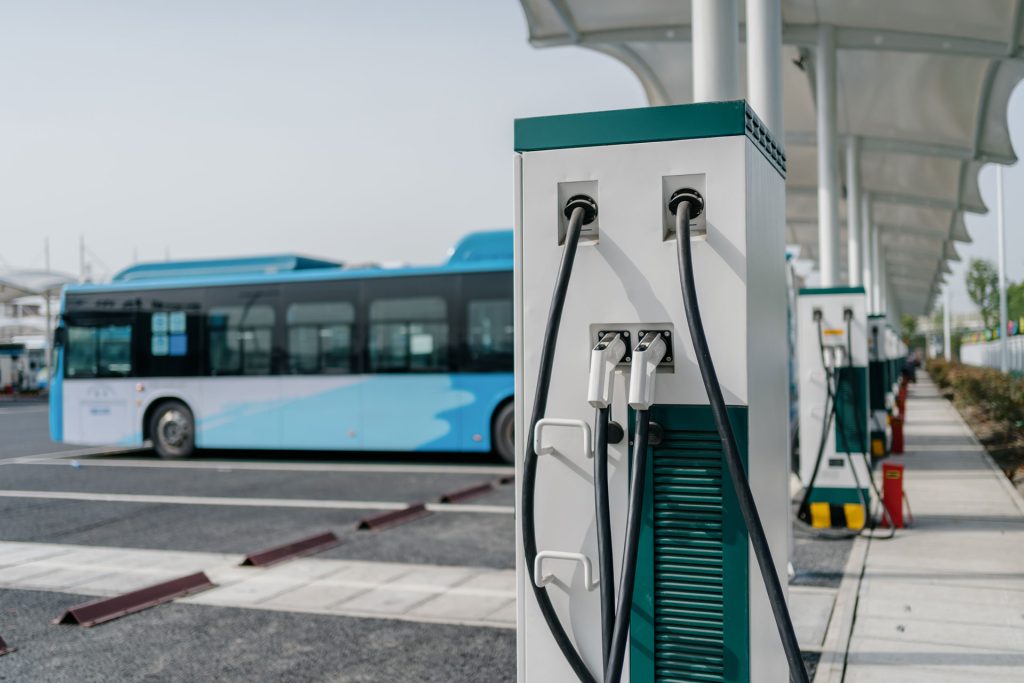
Still, charging infrastructure remains the primary challenge. Installing charging stations at depots or endpoints requires significant investment—and in many urban areas, the power grid must be upgraded to prevent overloads. This is where smart charging, energy storage systems, and integration with renewable sources come into play. These technologies make it possible to optimize energy usage and reduce operating costs.
The shift to electric buses is no longer optional—it’s a necessary step for the future of urban mobility. Governments and local authorities are supporting the transition through funding and incentives, while technological advances are making electric fleet management increasingly efficient. The success of this transformation will depend on the ability to adopt innovative operating models, such as Fleet-as-a-Service, which help reduce upfront costs and simplify fleet operations.